
Overview
When Is a Knee Replacement Needed?
Knee replacement surgery is usually considered when other treatments — such as medication, physiotherapy, or lifestyle adjustments — have not provided sufficient relief from pain or improved your ability to move comfortably.
The decision to proceed with knee replacement is never taken lightly. It follows a thorough assessment, which typically includes a physical examination, X-rays, and, where needed, further diagnostic imaging.
Surgery is generally recommended when the knee joint has reached an advanced stage of wear (Grade IV osteoarthritis) and can no longer be preserved through less invasive means, particularly when this is causing significant pain and limiting everyday function.
It's important to understand that knee replacement is a major procedure and isn't the right choice for everyone. Mr Barkatali will carefully consider a range of factors — including the severity of your symptoms, your age and general health, and your activity levels — to determine whether knee replacement surgery is the most appropriate option for you.
The Procedure - What to Expect?
A total knee replacement means replacing both sides of your knee joint — the inner (medial) and outer (lateral) parts — with a new, smooth surface.
During the operation, your knee is carefully exposed through an incision at the front. Mr Barkatali will measure your knee's shape and alignment precisely, then decide exactly how much of the worn, arthritic joint needs to be removed. He uses a minimally invasive approach, which means smaller incisions and, wherever possible, removing as little bone as necessary — helping you heal faster and more comfortably.
Once your knee is ready, carefully sized implants are chosen just for you. These are secured in place using a special medical-grade bone cement (called PMMA), giving your new joint a strong, stable foundation from day one. Uncemented implants are also available and may be recommended depending on your bone quality and discussion with Mr Barkatali.
This is a big operation, so careful planning beforehand is key to making sure everything goes smoothly and you get the best possible result.
Knee replacements are a real success story in surgery — they typically last 15 to 20 years, and most patients enjoy excellent pain relief and a big improvement in how their knee moves and feels.
Mr Barkatali offers the conventional, manual approach to planning and performing TKR, which continues to deliver consistently excellent outcomes for patients, and the robotic assisted approach.
Mako Robot Assisted Knee Replacement
Mr Barkatali adopted Mako robotic-assisted surgery in 2023, as part of his continual effort to embrace the most up-to-date, evidence-based techniques and improve the reproducibility of patient outcomes. He has now performed over 150 Mako-assisted cases, with excellent results.
How it works
Before surgery, a CT scan creates a detailed three-dimensional map of the patient's own knee deformity. During the operation, this is combined with live data recorded directly from the patient's knee — including its actual range of movement and degree of deformity — which the surgeon uses to plan an accurate correction. The robotic arm then assists in making the planned bone cuts with a level of precision that's difficult to achieve by eye and hand alone. The prosthesis itself is still implanted manually by Mr Barkatali, just as in conventional surgery.
Where it adds the most value in total knee replacement
For total knee replacement, the greatest benefit is seen in more complex cases — knees with significant deformity that would be difficult to correct reliably using manual technique alone. CT-based planning combined with robotic execution allows this correction to be carried out accurately and with confidence.
The benefits of a robotic approach
Across his own cases, Mr Barkatali has observed a number of advantages to using the Mako robot for knee replacement:
- Greater accuracy — the robotic arm enables precise bone cuts and implant placement, supporting more reproducible alignment and correction of the deformity.
- Less tissue trauma — the precision of the technique can reduce disruption to surrounding tissues, which may contribute to less post-operative pain, reduced blood loss, and less scarring.
- Faster recovery — patients often report a quicker return of range of movement and function, alongside the potential for a shorter hospital stay.
- Greater patient confidence — knowing that the result is more likely to be reproducible matters to patients facing what can be a daunting operation, particularly given how inconsistent outcomes from knee replacement can sometimes be reported.
Mako can be used for total knee replacement, partial (unicompartmental) knee replacement, and patellofemoral replacement.
Revision Total Knee Replacement
Over time, even a well-functioning knee replacement can wear out, loosen, or become infected — and for some patients, revision surgery becomes necessary to restore comfort and function. This may be needed due to implant wear, loosening of the components, infection, instability, or ongoing pain that hasn't responded to other treatments. Revision surgery is more complex than a first-time replacement, involving careful removal of the existing implant and any damaged bone or tissue, before precisely fitting specialised revision components — sometimes with bone grafts — to rebuild a stable, well-aligned knee. It's worth noting that robotic-assisted surgery isn't an option for revision cases, as robotic planning relies on a CT scan of the patient's natural knee — once a prosthetic knee is in place, this technology can no longer be used. While revision surgery is a bigger undertaking than primary knee replacement, with thorough planning and an experienced surgical approach, it can offer patients renewed mobility and lasting relief.
Outcomes
- 20+ years of experience
- 600+ total knee replacements performed
- 99.9% success rate
* National Joint Registry data over 10 years
Healing Begins Here
Explore Our Comprehensive Treatments
5*
<1%
5000+
20+
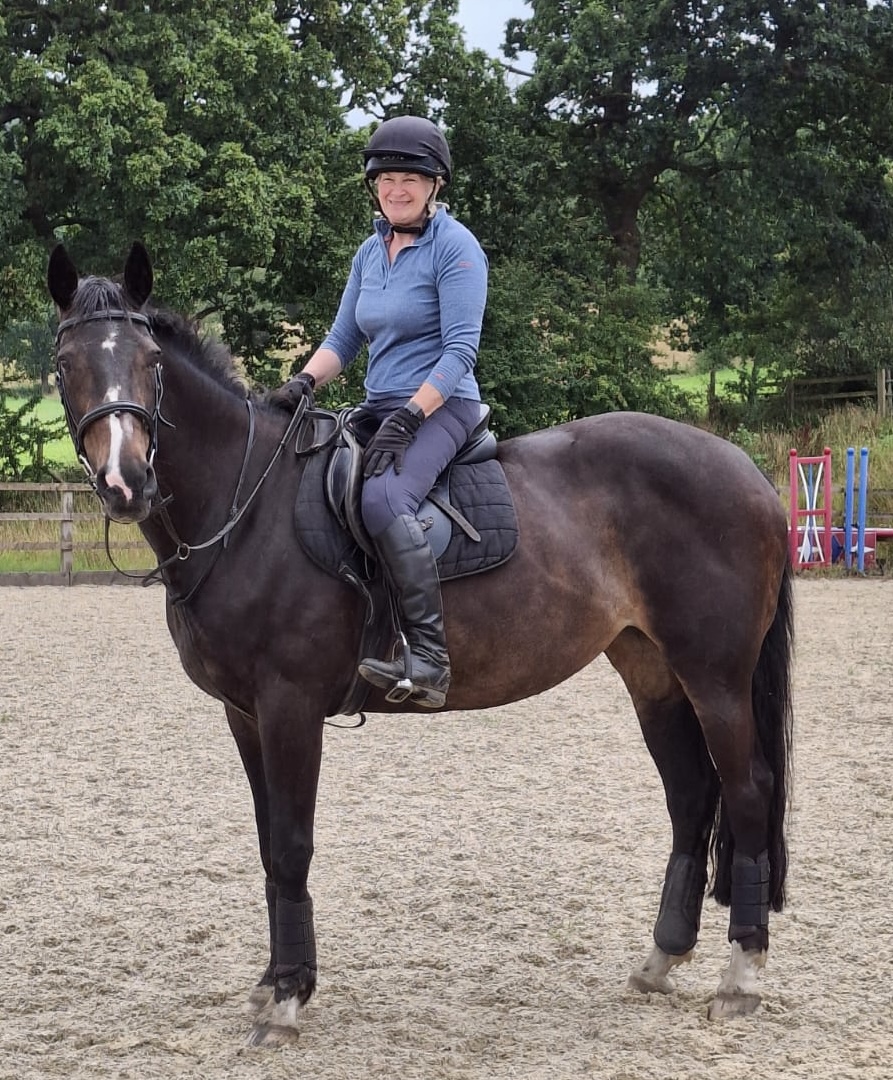

“Please could you pass my thanks onto Bilal, I am now back riding my horses less than 10 weeks post op which is amazing. Totally pain free so I’m delighted to be on the road to normality again!”
Judith, Total Knee Replacement in May 2025 aged 60

“Approx 18 months after having both knees replaced, I was skiing this last week and all went well and the knees held up just fine even with a couple of falls!!! So pleased with the operations and to be pain free and back doing the things I love is fantastic!
Wendy, Bilateral Total Knee Replacements in November 2023 and February 2024, aged 58