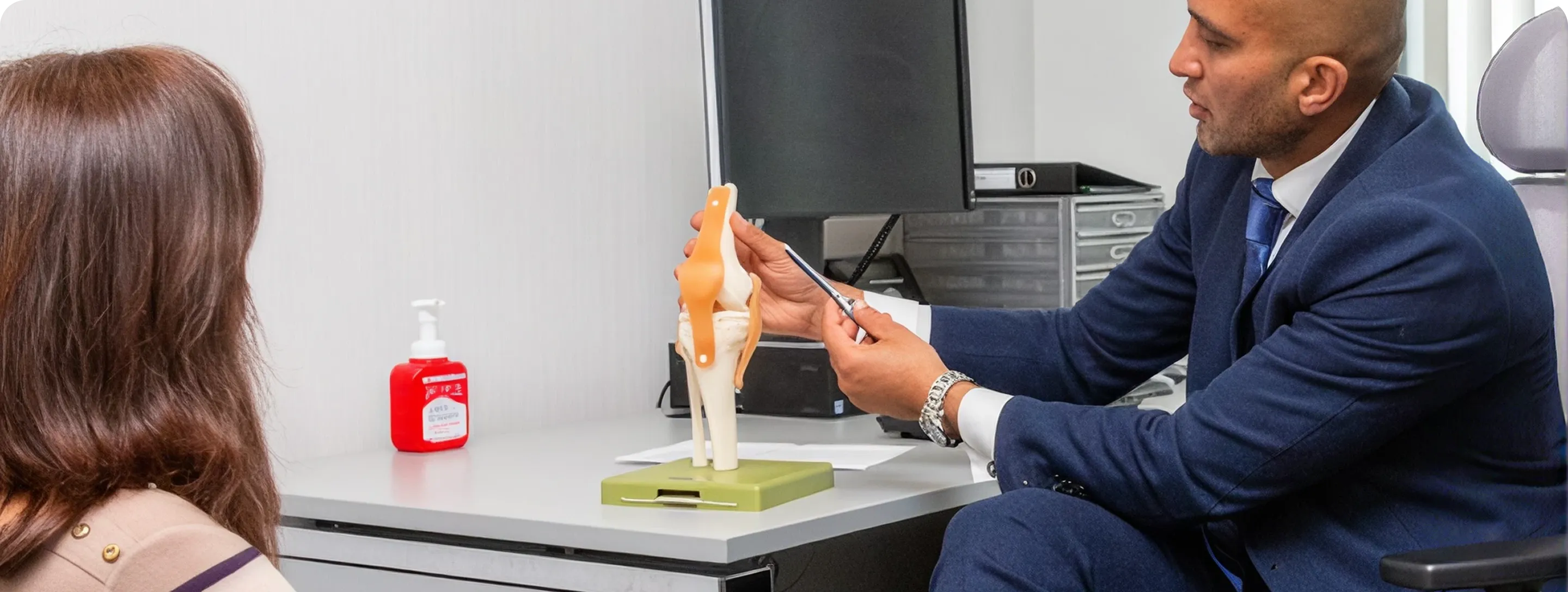

Inside Magazine, October 2025: Mr Bilal Barkatali explains what's behind winter knee pain and how The Knee Clinic Manchester helps, from joint-preserving biological treatments to Mako robotic knee replacement.
Download the full article here.
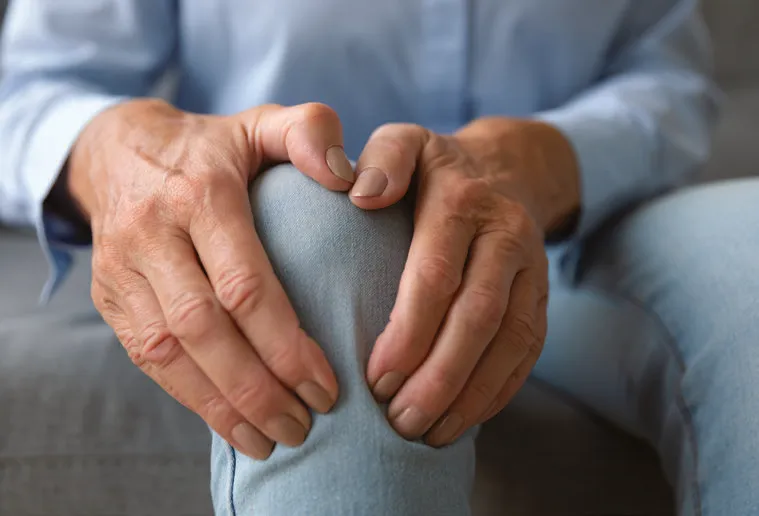
Knee pain often feels worse in the winter months, when cold weather can leave joints feeling stiffer, achier, and harder to move. If you’re living with knee pain, you know how much it can affect even the simplest parts of daily life — climbing stairs, getting up from a chair, enjoying a walk or participating in your favourite sports. It’s not just the pain itself; it’s the frustration of feeling limited by it.
There are many possible reasons why you might be experiencing knee pain. It can sometimes be linked to injuries such as damage to the meniscus or ligaments, or from issues affecting the cartilage. In other cases, knee pain develops gradually due to degenerative joint disease. The most common and widely recognised cause is osteoarthritis, which affects around 1 in 5 people over the age of 45 in the UK.
Osteoarthritis is a complex joint condition with multiple contributing factors. While age is a commonly associated factor, osteoarthritis is not simply a natural part of ageing. The development of osteoarthritis is influenced by a combination of mechanical, biological, and genetic factors, which can include weight, occupation, previous injuries, and other underlying conditions.
Not everyone with osteoarthritis will need a knee replacement. Conservative management with physiotherapy, injections and lifestyle adjustments can often help alleviate symptoms. In many cases, the joint can be preserved using advanced treatments that harness the power of your own body’s cells. Techniques using platelets or stem cell-like cells from bone marrow can help repair cartilage damage, either through injections or, if needed, with minimally invasive surgery.
For some people, however, knee replacement surgery becomes the best option. We understand this can feel daunting, which is why The Knee Clinic Manchester is committed to delivering an exceptional patient journey from initial consultation through to full recovery, integrating innovative technologies and personalised care pathways - while achieving excellent results.
One of the biggest steps forward in recent years is robotic knee replacement surgery. Before the operation, a detailed CT scan creates a precise 3D model of your knee, accurate to within a millimetre. During surgery, a live computer programme helps plan the procedure in real time, while the Mako Robot guides the surgeon in making highly accurate bone cuts. This level of precision means implants can be placed more accurately, helping to improve balance, movement, and overall outcomes.
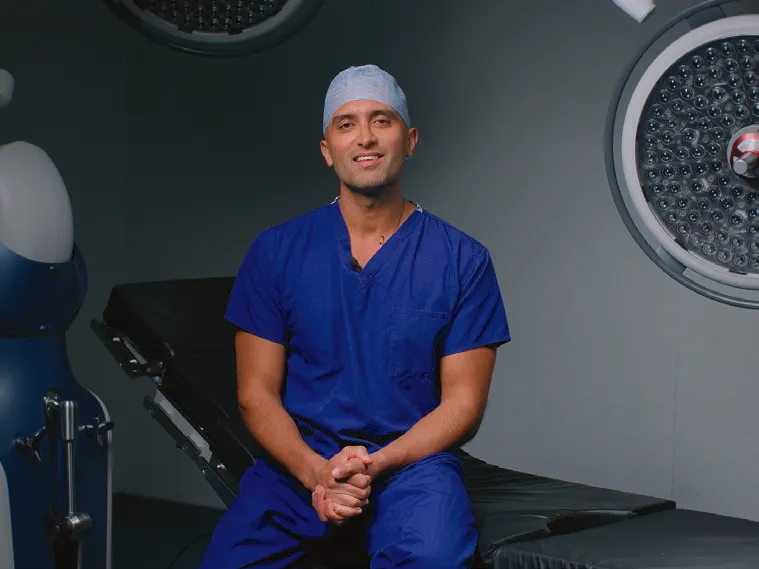
Robotic surgery also has important advantages over traditional methods. The smaller incisions usually mean less tissue damage, bleeding, and pain — often leading to a quicker recovery. Combined with modern anaesthetic techniques, most people feel comfortable soon after surgery. The knee is stable straight away, allowing you to walk with crutches immediately. Hospital stays are often just one or two nights, no stitches need to be removed, and by around six weeks most patients are well on their way to recovery.
Bilal Barkatali is a Consultant Specialist Knee Surgeon with extensive expertise across all areas of knee surgery. In 2017, he established The Knee Clinic Manchester with the aim of delivering the highest standard of care to patients suffering with knee pain. Clinics locations include The Alexandra, The Spire Manchester and The OrthTeam Centre.